
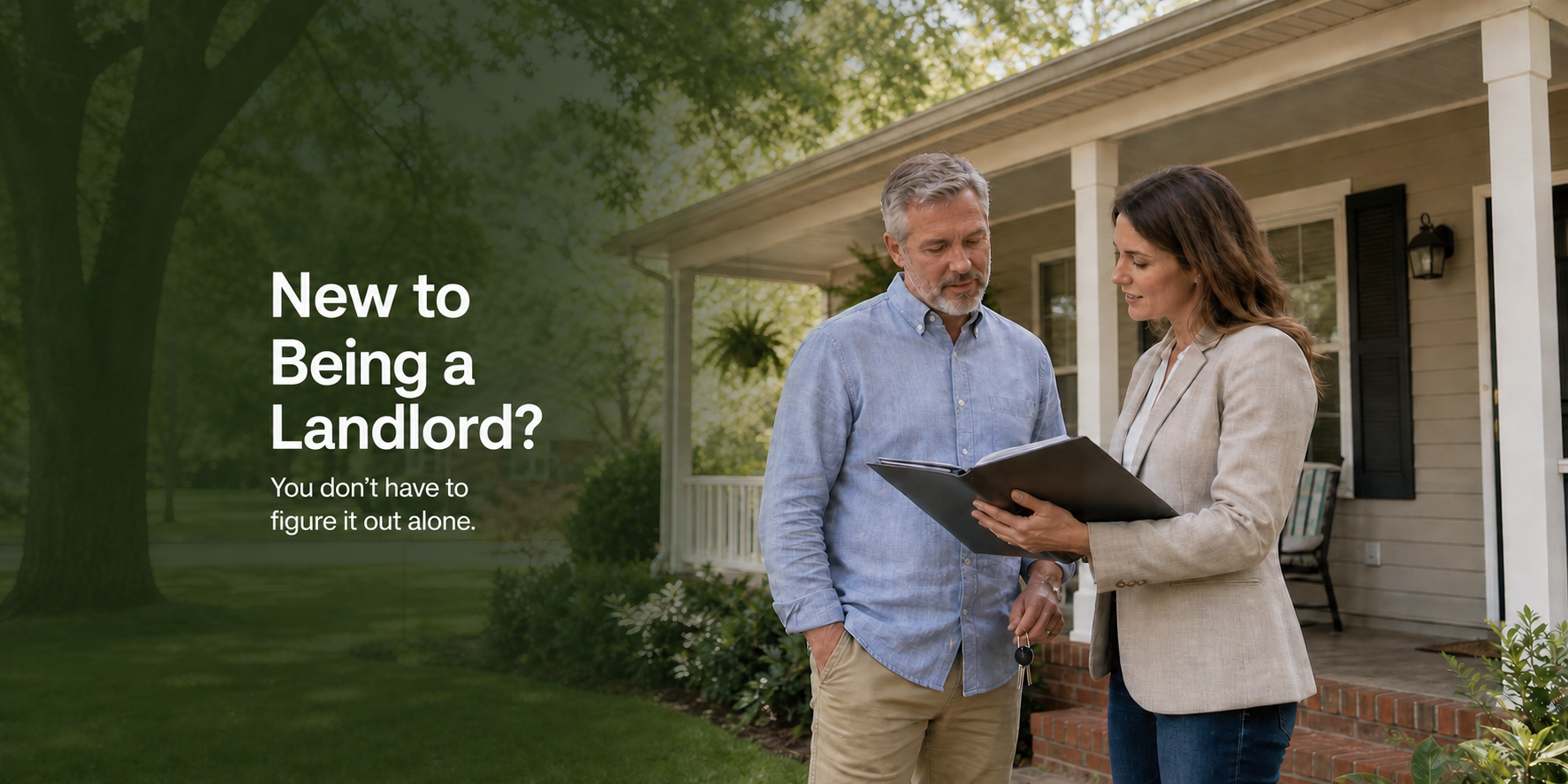
Becoming a landlord is not always part of a carefully planned investment strategy. Sometimes a job relocation makes selling impractical. You might inherit a house, purchase another home before selling your current one, or decide to rent while waiting for market conditions to improve.
Whatever brings you to this point, becoming an accidental landlord in Upstate South Carolina comes with real responsibilities. The house may feel familiar to you, but managing it as a rental requires a different mindset.
You will need to determine an appropriate rental rate, prepare the home, find a qualified resident, collect rent, respond to maintenance needs, document the property’s condition, and follow applicable rental laws. These responsibilities can quickly turn a promising opportunity into a source of stress.
The good news is that you do not need a large portfolio or years of investing experience to make a sound decision. You need a clear plan, realistic expectations, and dependable local support.
What Is an Accidental Landlord?
An accidental landlord is someone who owns a rental property but did not necessarily purchase it as part of a long-term investment plan.
You may have relocated for work or family reasons. Perhaps you inherited a home that you are not ready to sell. You might have purchased another property before selling your previous residence, or you may simply believe renting makes more sense than selling in the current market.
Many first-time real estate investors face similar concerns. Even if the purchase was intentional, owning one or two properties is very different from operating a large portfolio. A vacancy, major repair, or difficult tenancy can have a significant effect on your finances.
That is why your goal should not simply be collecting the highest possible rent. The better objective is creating a stable rental experience that protects your property, your finances, and your peace of mind.
Decide Whether Renting Is Right for You
Not every home should become a rental. Before listing the property, take an honest look at its condition, expected expenses, and your long-term plans.
Start by determining what the property could realistically rent for in the current market. Then compare that income with your mortgage, taxes, insurance, maintenance, property management costs, and a reasonable allowance for vacancy.
You should also consider whether the home needs repairs or improvements before it can compete with other available rentals. A home that was comfortable for you may still need updates, safety work, cleaning, or preventive maintenance before a resident moves in.
It is equally important to think about your financial reserves. An HVAC failure, plumbing problem, appliance replacement, or storm-related repair can happen unexpectedly. Rental income should not be treated as guaranteed profit without accounting for these possibilities.
Finally, consider how long you are prepared to hold the property. If you may need to sell within a few months, renting could create complications. If you are comfortable holding the home for several years, renting may provide more time and flexibility.
Southern Oak Property Management uses local market information to help owners understand a property’s rental potential before they make a major decision.
Understand the Upstate South Carolina Rental Market
Rental property is highly local. Advice written for a national audience may not account for the differences between Seneca, Clemson, Walhalla, Westminster, Pickens, Pendleton, and the communities surrounding Lake Keowee.
A property near Clemson may be affected by academic calendars, employment patterns, and seasonal demand. A home near Lake Keowee may appeal to a different type of resident or require a different rental strategy. Properties in more rural communities can present additional challenges when coordinating vendors and maintenance.
Upstate South Carolina homes also face heat, humidity, storms, drainage concerns, and significant demands on heating and air-conditioning systems. Moisture management, crawlspace conditions, gutters, and landscaping can all affect the long-term condition of a rental property.
These local details influence pricing, marketing, maintenance planning, and resident expectations. An online rental estimate can provide a general starting point, but it cannot replace local knowledge and a review of the property’s actual condition.
Prepare the Property Before Marketing It
Your rental should be safe, functional, clean, and ready for someone to call home. Delaying necessary repairs until after a resident moves in often creates frustration and can make small problems more expensive.
Before marketing the property, evaluate the heating and air-conditioning system, plumbing fixtures, electrical outlets, lighting, doors, windows, locks, smoke alarms, appliances, roof, gutters, and exterior condition.
The home should also be checked for moisture, drainage problems, pests, damaged flooring, worn paint, and deferred maintenance. Landscaping responsibilities should be clearly considered before the lease begins.
This is where practical housing and construction experience becomes valuable. A cosmetic issue may be harmless, while a less visible problem could require immediate attention.
Southern Oak brings more than 20 years of construction and housing industry experience to property management. That perspective helps owners prioritize work based on safety, property protection, resident experience, and long-term value.
Set a Competitive Rental Rate
It can be tempting to list your home at the highest rental rate you can find online. However, an aggressive asking price may create a longer vacancy, reduce interest from qualified applicants, and ultimately cost more than a slightly lower but well-supported rate.
An effective rental analysis considers competing properties, recently leased homes, location, size, condition, amenities, pet policies, seasonality, and current demand.
Once the property is listed, the market will provide additional feedback. If the home receives little qualified interest, the rate or presentation may need to be reconsidered.
Holding firm to an unsupported price does not protect your income if the property remains vacant. A strong property manager helps balance monthly rent with occupancy, resident quality, and long-term performance.
Treat Resident Screening as Risk Management
Finding someone quickly is not the same as finding a qualified resident.
A consistent screening process helps determine whether an applicant appears capable of meeting the obligations of the lease. Depending on the written qualification standards, this may include reviewing income, credit history, rental history, background information, and other lawful criteria.
The same standards should be applied consistently to every applicant. This creates a more reliable process and reduces the risk of emotional or informal decisions.
First-time landlords sometimes rely heavily on a promising conversation or personal impression. Those interactions can be helpful, but they should never replace documented screening and consistent approval standards.
Use a Clear Lease and Document the Property
A handshake agreement is not enough to protect a rental home.
The lease should clearly explain the rent amount, due date, lease term, security deposit, late payment policies, maintenance responsibilities, pet rules, utilities, lawn care, property access, renewal procedures, and move-out expectations.
Residents should also understand how to report maintenance problems and what is expected of them during the tenancy. Clear expectations at the beginning can prevent misunderstandings later.
The condition of the property should be thoroughly documented before possession is transferred. Detailed photographs and written records establish a reliable baseline for future walkthroughs and the eventual move-out evaluation.
At Southern Oak, scheduled property walkthroughs are conducted at least twice annually. These visits help identify developing concerns, document the home’s condition, and keep owners informed without waiting for a small issue to become a major repair.
Plan for Maintenance Before Something Breaks
Maintenance is one of the most demanding parts of managing a rental property. Problems do not always happen during normal business hours.
When an issue occurs, someone must determine whether it is an emergency, communicate with the resident, select a qualified vendor, approve the cost, and verify that the work was completed properly.
A good maintenance plan includes a clear reporting process, reliable local vendors, guidelines for urgent and non-urgent requests, and sufficient owner reserves for unexpected expenses.
Necessary repairs should not be ignored simply because they are inconvenient. Deferred maintenance can increase costs, damage the property, and weaken the relationship between the owner and resident.
At the same time, responsible property management does not mean approving every proposed expense without review. It means understanding the problem, evaluating the available options, and choosing an appropriate solution.
Southern Oak coordinates maintenance with a focus on communication, accountability, and thoughtful stewardship of the property.
Keep the Rental’s Finances Organized
Even one rental property should be treated as a business asset.
Rental income and expenses should be tracked carefully. Owners need reliable records for rent payments, maintenance, deposits, invoices, owner contributions, and other transactions related to the property.
Mixing rental activity with personal spending can make it difficult to understand whether the property is actually performing well. Clear reporting helps you evaluate cash flow, maintenance trends, reserve needs, recurring expenses, and future rental adjustments.
Southern Oak provides financial reporting and owner technology designed to make important property information easier to access and understand.
Know When Self-Management Is No Longer Working
Some owners successfully manage their own rental properties. Others discover that the time, distance, stress, and complexity are greater than expected.
Professional management may be worth considering if you live outside the area, have difficulty responding promptly to residents, feel uncomfortable screening applicants, or find maintenance coordination disruptive.
You may also benefit from professional support if you do not want to collect rent, enforce lease terms, organize financial records, or handle difficult conversations personally.
Hiring a property manager is not simply about handing off a list of tasks. It is about creating a dependable system around a valuable asset.
Local Support for Accidental Landlords
Southern Oak Property Management is a local, family- and veteran-owned company serving rental owners throughout Upstate South Carolina.
We are property investors ourselves, so we understand that owners want more than basic rent collection. They want honest guidance, responsible property care, clear communication, and confidence that important details are being handled.
Our residential property management services include rental analysis, marketing, applicant screening, lease administration, rent collection, maintenance coordination, financial reporting, and scheduled property walkthroughs.
We serve owners in Seneca, Clemson, Walhalla, Westminster, Pickens, Pendleton, West Union, Mountain Rest, Tamassee-Salem, and surrounding Upstate communities.
Turn an Unexpected Property Into a Well-Managed Asset
You do not need to think like a large real estate investor to succeed as a landlord. You do need to understand the property, prepare for risk, respond consistently, and make decisions with a long-term view.
If your home has not sold, you recently inherited a property, or a relocation has changed your plans, Southern Oak Property Management can help you evaluate the next step.
Our goal is to remove friction through clear communication, proactive maintenance, and thoughtful stewardship. Contact Southern Oak Property Management to schedule a free property consultation and learn whether renting your Upstate South Carolina home is the right move.
By Southern Oak Property Management - Friday, August 28, 2026
Author